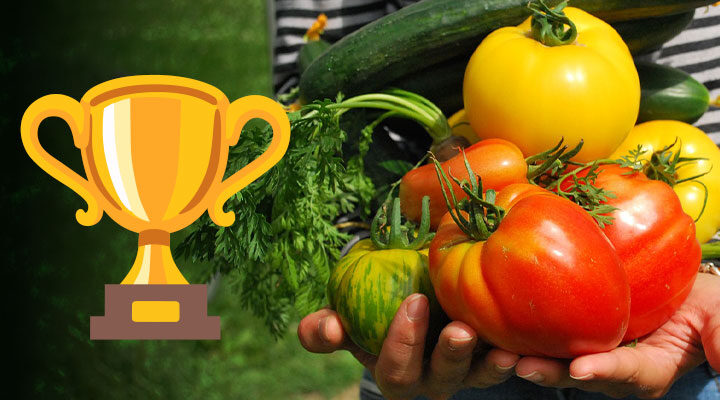
This guide distills design ideas, crop choices, and cultivation practices to help you harvest a rich, varied, and dependable garden. It preserves the plant names and offers clear steps you can follow.
Garden Design and Layout
- Create an enclosed-feel, flowing space that moves from house to greenhouse and workshop.
- Central feature: a diamond-shaped lower bed with a sundial calibrated to tell noon on the summer solstice.
- Storage and work zones: a potting bench, herb and strawberry stations, and a greenhouse adjacent to a tool shed.
- Pathways and sights: a curved path with lanterns leading to a bridge over a pond, a gazebo, and an arch draped with clematis (e.g., Prairie Traveller’s Joy) into the vegetable beds.
- Visual accents: hops along fences; a mix of ornamental and edible plantings to create color and fragrances
Soil Fertility, Compost, and Soil Care
- Enrich soil as much as possible before and during the growing season.
- Use a multi-bin compost system (up to five bins in use) with leaves added as needed; maintain a compost pile for ongoing supply.
- Practice crop rotation: after legumes, plant winter rye as green manure and turn it under in spring.
- Regularly add compost to the soil each year.
- Mulching: in late June, apply a coarse compost mulch between rows to retain moisture. Delay mulch if you risk low soil temperatures and late frosts.
- Storage of crops: maintain a cold pit in the garden to store root vegetables for extended fresh use.
Frost Protection and Seasonal Management
- If frosts threaten, use late-night fires in portable pits or early-morning sprinklers to raise soil temperature and protect tender crops.
- Keep an eye on local frost patterns and adjust timing for mulch and protection accordingly.
Pest, Disease, and Plant Health
- Cutworms: collar seedlings with milk cartons to reduce damage.
- Moths: use marigolds along brassicas to deter moths; some moth activity may still occur.
- Aphids: protect vulnerable plants (e.g., Virginia creeper) with garlic-cayenne sprays or hose-directed water; consider predator benefits from birds and beneficial insects.
- Monitor for leaf feeders and other pests; adjust methods as needed.
- Encourage beneficials: ladybugs and birds help reduce pests naturally.
Plant Lists (Keep These Names for Planning)
Vegetables
- Beets: Moneta
- Belgian endive: Mechelse Witloof
- Broccoli: Windsor; Premium Crop
- Carrots: Sweetness; Bolero; Touchon
- Cauliflower: Snow Crown
- Celeriac: Prague Giant
- Corn: Seneca Arrowhead
- Cucumbers: Sweet Success
- Garlic: Serpentine
- Kale: Westland
- Kohlrabi: Grannlibakken
- Leeks: Autumn Giant
- Lettuce: Marble Butterhead; Paris Cos Romaine; Royal Red; Red Salad Bowl; a dark red variety from a German relative
- Onions: Red Wing; Stuttgart Riesen; Kelsae Sweet; Walking Onion
- Parsnip: Harris
- Potatoes: Red Star (Dutch); Purple (novelty); Zieglinde (German, yellow flesh); Alaska Frostless
- Radicchio: Indigo
- Peas: Green Arrow; Straight Arrow; Sugar Snap
- Beans: Jade Bush; Rocdor (stringless yellow bush); Hunter (pole bean); French Fillet; Scarlet Runner beans
- Tomatoes: Better Boy; Roma (Viva Italia); Brandywine; Big Beef; Tumbler (grown in hanging pots); Tigerella; Long Keeper (ripened by wrapping in paper); a green heritage tomato (und named); Sweet 100 Cherry; golden cherry
- Zucchini: Sunburst (scalloped); Spine-less Green
- Salsify: Black Rooted
- Spinach: Bloomsdale
- Pepper: Northstar
Herbs
- Rosemary
- Dill (reseeds itself)
- Parsley
- Sage
- Bronze Fennel
- Lovage (perennial)
- Basil: Sweet Danai, Ruffle, Lemon
Blueprints for Cropping and Planting
- Plant densely where appropriate to suppress weeds and conserve moisture; adjust spacing by crop type.
- Always rotate crops by family; use green manures (e.g., winter rye) to enrich soil before spring planting.
- Succession planting: stagger sowings to spread harvests and avoid bottlenecks.
- Mulch timing matters: delay mulch if soil temperature is critical for germination and early growth.
- Use protective covers (e.g., Remay cloth) where needed to extend growing windows for vulnerable crops.
Harvesting, Storage, and Preservation
- Harvest when crops reach desirable size and flavor; some crops can be stored in a cold pit for months.
- Save and preserve excess: freeze, dehydrate, or store in the pit for winter use.
- Tomatoes and peppers can be managed for longer storage or ripening by specific methods (e.g., tissue-wrapping or hanging storage for certain varieties).
Seasonal Workplan (example cadence)
- January: start pansies and other delay-tarnished seeds; plan seed orders
- Spring: prepare beds, plant greens early, set up Remay covers for sensitive crops
- Late spring to early summer: mulch, apply compost, implement pest-control strategies (milk-carton collars, marigolds)
- June to July: maintain mulches; water as needed; monitor for pests; begin harvesting early crops
- Late summer to autumn: continue harvesting; plant cover crops; prepare for winter storage of root crops
- Winter: maintain cold storage and keep track of which crops stored in the pit remain fresh
PracticalNotes and Tips
- Keep a log of what works each year: crop yields, timing, frost events, and pest pressure.
- Observe the garden’s microclimates: shade, sun exposure, wind protection, and moisture retention.
- Balance beauty with function: integrate edible crops with ornamental varieties to sustain pollinators and enjoyment.
By following these design principles, crop lists, and management practices, you can build a productive, colorful, and resilient garden that thrives in a short-season, high-altitude environment.